Healthcare marketing: your diary has gaps. Your competitors’ don’t. The difference is infrastructure.
Patients research for weeks before booking. They compare reviews, check locations, ask AI assistants who to trust. If you’ve burnt budget on healthcare ads that produced clicks but no consultations, the campaign wasn’t connected to how patients decide.
Healthcare marketing is patient acquisition for clinics, practices, and healthcare groups through paid search, local search, and conversion-optimized booking journeys. Beeyacorp builds healthcare campaigns around local service ads, Google Maps visibility, call tracking tied to booked appointments rather than clicks, review-driven trust architecture, and multi-location campaign structures, all within advertising policy compliance for regulated health services.
What healthcare marketing looks like from the inside
If several of these describe your last twelve months of healthcare marketing, the problem isn’t your care quality, it’s the campaign structure, and that gets fixed with an audit, not a bigger budget.
- Your diary has gaps while your ad reports show hundreds of clicks
- Reception says the phone is quiet, but the dashboard says traffic is up
- Enquiries arrive, but they’re insurance-only or the wrong catchment
- Patients research for weeks, then book with whoever they found first
- Your ad account is stuck in “we can’t say that” compliance paralysis
- New locations take months to fill because launch had no tracking
The root cause, not the symptom
You’re funding the research phase and a competitor takes the appointment.
Patients don’t book on the first click. They compare reviews, check locations, read treatment pages, and increasingly ask an AI assistant who to trust, often over days or weeks. A campaign that measures clicks instead of booked appointments has no idea which of those touchpoints produced a patient, so budget gets cut from the campaigns that were working. Add untracked phone calls, which are how most clinics take bookings, and half your best leads are invisible. Healthcare ads work. When an account underperforms, it is usually because it was never connected to how patients decide.
What another quarter of missed bookings costs
A clinician’s unfilled hour is gone for good, but the rent, salaries, and equipment behind it are paid regardless. Healthcare clicks are among the most expensive in advertising, so paying for research-phase traffic that books elsewhere means funding your competitor’s growth and your own overhead at the same time. Over a year, a chronically soft diary quietly caps the practice’s value.
Healthcare needs a different approach, not a generic one
Healthcare marketing lives or dies on two things generic agencies ignore: advertising compliance and the gap between a click and a booked appointment. Ad platforms restrict how you can target and what you can claim for regulated health services, so campaigns have to be built compliant by design or they stall in review. And because patients book by phone and compare for weeks, success has to be measured on attended appointments, per location and per treatment, not on clicks. An agency that treats a clinic like an e-commerce store gets both wrong.
How we fix healthcare marketing
Every healthcare engagement opens with a diagnosis of your ad accounts, your call tracking, and your booking flow, done with compliance in mind throughout. We document each finding with evidence, then fix in the order that recovers the most bookings.
Diagnose
We audit search terms, tracking, and the booking journey, then check every campaign against advertising policy so nothing stalls in review. We find where research-phase spend leaks and where phone bookings go uncounted.
Structure
We build local, treatment-specific campaigns with call tracking tied to booked appointments, so budget follows what fills the diary, per location and per treatment.
Convert
We send treatment-specific traffic to pages with reviews, credentials, and clear next steps at the decision point, and add qualification so the front desk stops chasing unreachable leads.
Scale
Once cost per booked appointment is proven, we scale by location and treatment value, and extend into local search and AI citations so patients find you first.
Built on how your buyers decide
Not a recycled template. A campaign architecture matched to healthcare buying behaviour, economics, and seasonality.
- Local service ads and Google Maps optimization for treatment-plus-location searches
- Call tracking with keyword-level attribution, tied to booked appointments
- Treatment-specific landing pages with reviews and credentials at decision points
- Multi-location campaign structures with location-level budget and reporting
- Review velocity systems that build the trust patients check first
- GEO optimization so AI assistants cite your clinic for treatment queries
From diagnosis to a fuller diary
No new spend goes live until bookings are tracked back to campaigns. You see appointment volume move on your current budget before we ask you to increase it.
Discovery
We learn your treatments, catchment, capacity, and margins by treatment, so the plan targets the appointments that pay, not just the cheapest clicks.
Audit
Search terms, tracking, booking flow, and policy compliance reviewed. Every leak documented with evidence and a fix-first sequence.
Implementation
Compliant local campaigns, call tracking tied to bookings, and treatment pages go live. Tracking is fixed before spend scales.
Optimisation
We optimise toward cost per attended appointment, cut wasted spend, and improve show rates with qualification and reminders.
Scaling
We scale by location and treatment value and add local SEO and AI search visibility so demand compounds.
Healthcare results from real accounts
Every booking and per-location figure below comes from the practice’s own call tracking and booking data, in the same Before / Fix / After format we use in reporting.
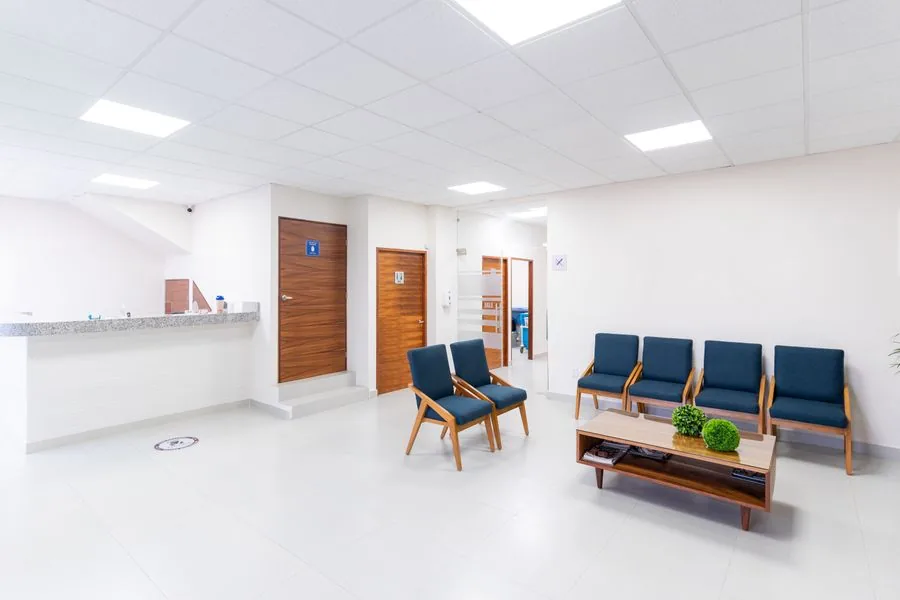
From 8 to 34 enquiries per week across locations
Before: one generic campaign for four locations, budget pooled blindly.
Fix: per-location campaigns with radius targeting, local pages, and location-level call tracking.
After: appointment slots ran out before budget did.
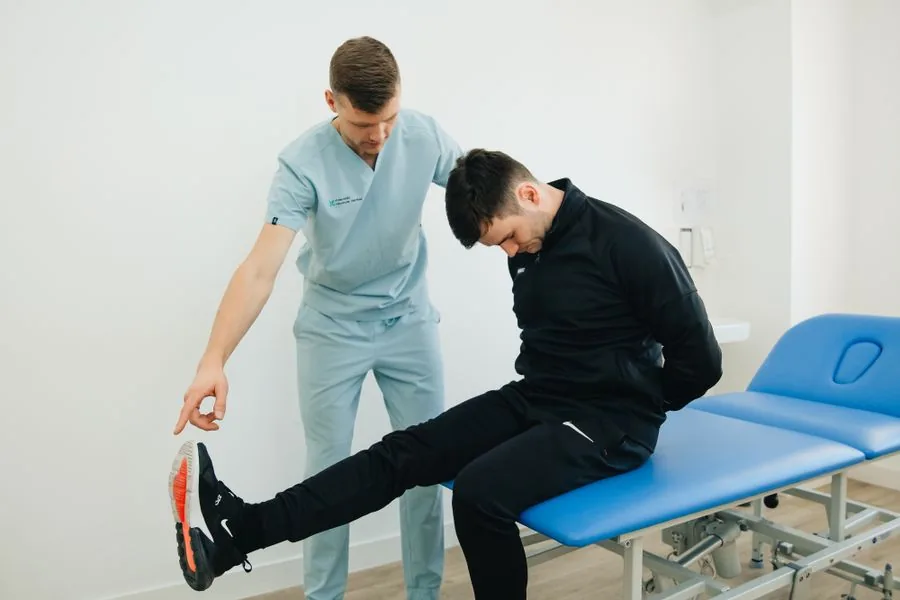
Cost per booked assessment down 61%
Before: ads optimized to clicks, landing on the homepage.
Fix: condition-specific pages, WhatsApp and call conversions tracked, negatives cut insurance-only searches.
After: assessments booked at a cost the clinic can scale.
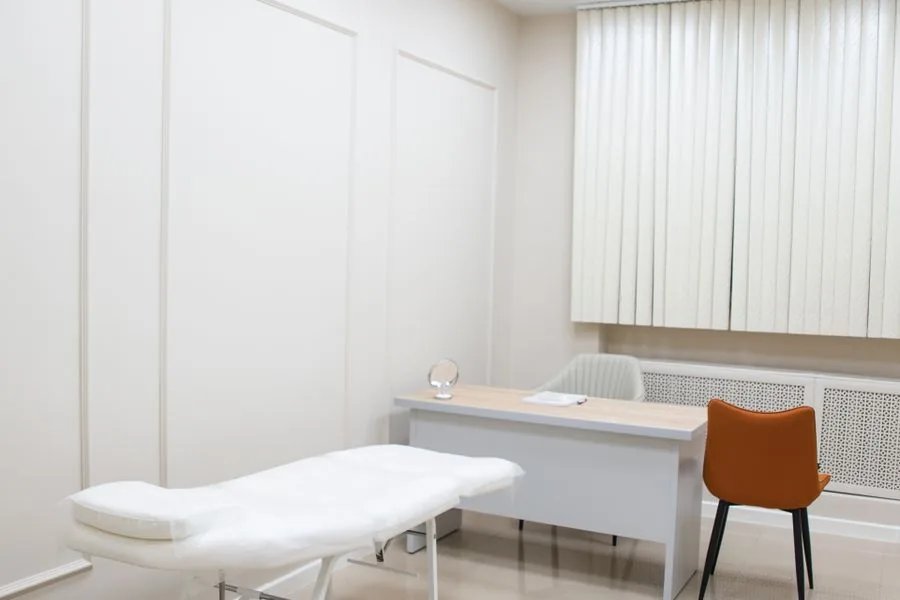
Consultation quality fixed before volume scaled
Before: plenty of enquiries, mostly price-shoppers who never showed.
Fix: qualification questions in forms, financing content pre-call, remarketing to consultation viewers.
After: fewer leads, far more treatments started.

AI assistants now cite the clinic for treatment queries
Before: AI Overviews answered patient questions citing national publishers only.
Fix: clinician-reviewed answer content, medical schema, local entity signals.
After: cited for treatment-plus-location queries that end in bookings.
Healthcare ads work once they match how patients search.
What Beeyacorp's healthcare clients say
“We’d had three agencies in four years. Beeyacorp was the first to connect ad spend to actual booked appointments. Nine weeks in, we stopped worrying about diary gaps.”

Dr. Anita R.
Clinic Owner, Dermatology, London
“For the first time the marketing report and the front desk tell the same story. Call tracking ended two years of arguing about whether the ads worked.”

Joanne B.
Practice Manager, Multi-site Clinic, Manchester
“Our previous agency hid behind compliance to justify vague ads. Beeyacorp’s campaigns pass every policy check and still speak directly to what patients worry about.”

Dr. Hassan S.
Medical Director, Clinic Group, Dubai
“The qualification and reminder flow they built halved our no-shows. Nobody had ever treated what happens after the click as marketing’s job before.”

Catherine F.
Operations Lead, Physiotherapy Network, Bristol
“Showing up in the map pack for our treatments in our postcode did more than two years of social media ever had. Patients arrive already trusting us.”

Dr. Peter O.
Principal, GP Practice, Edinburgh
“They cut our budget 20% in month one to remove waste, then rebuilt. We now book more consultations than we did at the higher spend. I didn’t think that maths existed.”

Nadia K.
Owner, Aesthetics Clinic, Birmingham
The services that move healthcare revenue
Healthcare campaigns usually combine paid search, dedicated landing pages, and clean analytics, with GEO added so AI assistants recommend your clinic for treatment queries.
The platforms we connect to your clinic
We work directly inside your own Google Ads, Meta, and call-tracking accounts, so every campaign and every booking record stays yours.
Clinics, practices, and multi-location healthcare groups that want their ad spend measured in booked, attended appointments, and new locations that need a full diary from launch rather than months of blind spending.
PPC overview
Healthcare PPC and medical practice advertising
Healthcare PPC has tighter ad rules and higher stakes per click than most industries.
Google and Meta apply extra policies to health-related ads, including what you can claim and how you can target. Campaigns have to be built inside those rules from day one, or they get limited or disapproved.
We structure healthcare PPC by service line and location, so each clinic or specialty has its own budget and its own booked-patient numbers. Tracking connects ad clicks to appointments, so you can see cost per booked patient.
See the multi-location scaling case study and the healthcare GEO citations case study.
At a glance
Healthcare PPC and marketing for clinics and medical practices
Beeyacorp is a healthcare PPC agency for clinics that need a fuller diary of the right patients. We focus on the searches that lead to bookings, then fix the page and the tracking behind them.
Short answer
Healthcare PPC uses paid search to put a clinic in front of people searching for a treatment or specialist. It works best when campaigns are matched to specific services, pages are clear and trustworthy, and bookings are tracked.
Service-level campaigns
Each treatment or specialty gets its own keywords and page.
Trust and clarity
Pages that explain who you are, what you treat and how to book, through CRO.
Local visibility
Read how AI answers change local SEO.
Tracking
Consent mode and call tracking set up properly.
Beeyacorp is based in Pakistan and works remotely with businesses in the UK, US, Canada, Australia, UAE, Saudi Arabia and Europe. We write in UK or US English to match your market and plan calls around your time zone.
Common questions.
Yes, within policy. Most treatments can be advertised with correct claims, disclaimers, and landing page standards. Some categories carry restrictions, and personalization limits apply. We build campaigns compliant by design, so approvals don’t stall your pipeline.
Call tracking, form tracking, and booking-system integration tie every enquiry to its source keyword and campaign. You see cost per booked appointment, per location and per treatment, not cost per click. That number is what we optimize.
Depends on treatment value and local competition. High-value treatments in metro areas typically need £1,500 to £3,000 per month to gather decisive data. Lower-competition areas need less. The audit gives you a number based on your actual market, not a generic tier.
Referrals are excellent and unpredictable. Paid search captures the patients already looking for your treatments this week, who have no referral to guide them. Practices with both grow through the months when referrals dip.
With local campaigns, call tracking, and a booking-optimized page live from day one, new locations typically see meaningful appointment flow within 4 to 8 weeks. The biggest delays come from launching without tracking, which forces a month of blind spending.
Almost always. We integrate tracking with the major booking platforms and build treatment landing pages that sit alongside your existing site. A full site rebuild is rarely necessary and never the first move.
Healthcare PPC is pay-per-click advertising for clinics and healthcare providers, mostly on Google Search. A patient searches for a treatment or a clinic, sees your ad, and you pay when they click. Healthcare ads carry extra rules on what you can say and who you can target, which the first question in this list covers.
Healthcare PPC is paid search and social advertising for clinics, medical groups and other providers. It puts your services in front of people searching for care, and you pay per click.
Yes. Ad platforms limit certain health claims, targeting options and sensitive categories, and the rules change. We check current platform policy before launch and build campaigns within it.
Yes, if each location has its own campaigns, budget and tracking. That stops one busy clinic from absorbing spend meant for another and shows which locations convert.
It manages paid ads for clinics and practices, builds landing pages for each service, tracks bookings and reports on cost per booked patient.
Yes, within Google’s healthcare advertising policies, which vary by country and by treatment. We check the rules for your market before launching.

Ready to fix what’s costing you conversions?
We’ll review your acquisition funnel, show you what’s underperforming, and hand you a clear, prioritised plan, whether or not you choose to work with us.
Get a clear diagnosis of your acquisition performance.
- 30-minute review
- Free, with no obligation
- Clear findings and priorities
- You keep the findings
30 minutes · Free · No obligation · You keep the findings